

Dust & Discipline Lesson Ten - Women in Jesus’ Ministry
Presence, Patronage, and Proximity

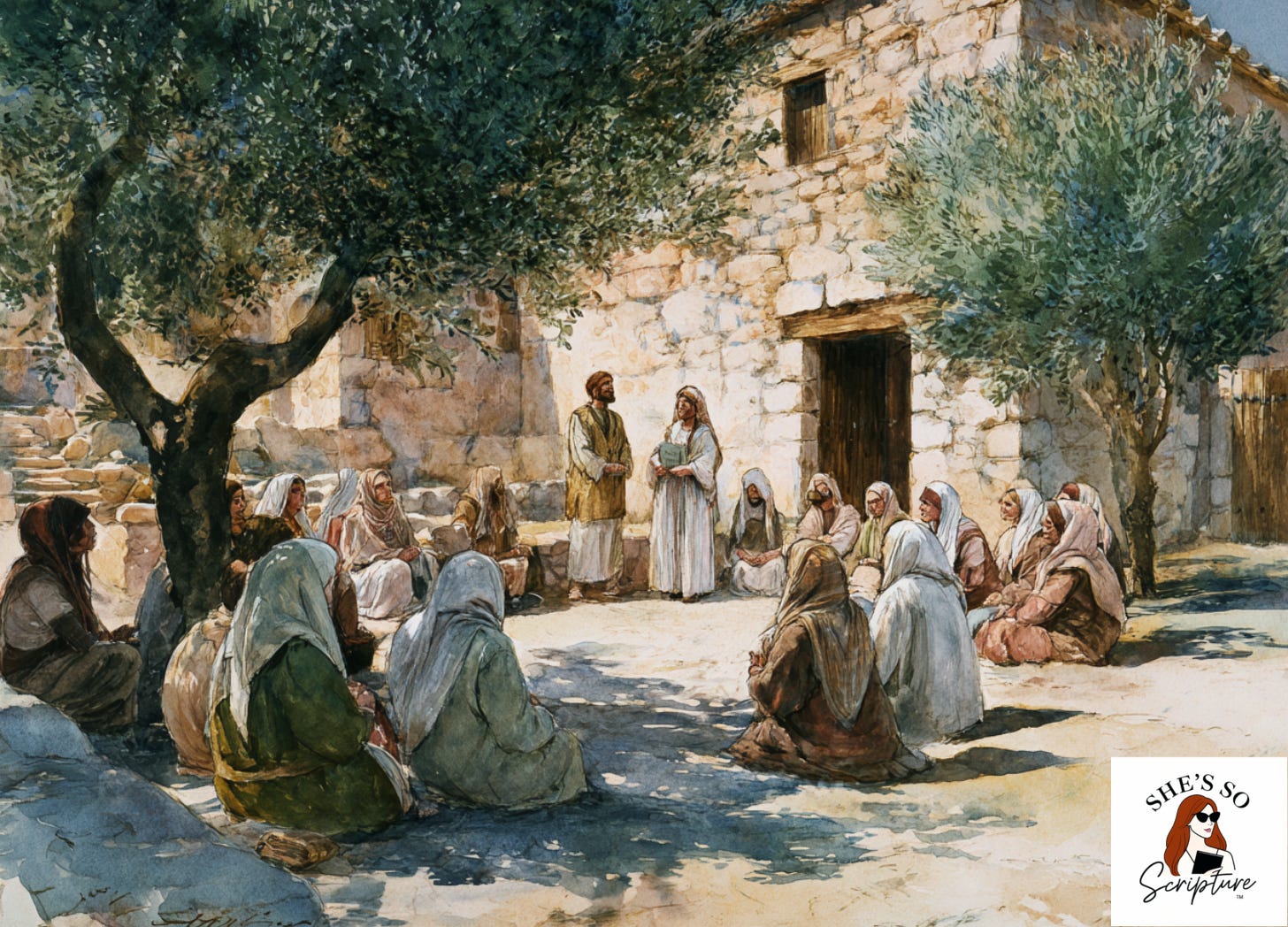
When modern readers talk about women in Jesus’ ministry, the conversation often swings to extremes. Either Jesus is portrayed as overturning every cultural boundary of His time, or the significance of women is minimized in order to preserve a narrow view of discipleship.
Neither approach does justice to the Gospels.
Jesus didn’t erase the social world He lived in, but He consistently challenged how honor, authority, and faithfulness were understood within it. Women appear throughout His ministry not as background figures, but as visible participants, witnesses, supporters, and serious conversation partners.
To understand the role of women in Jesus’ ministry, we have to read the Gospels with first century Jewish eyes.
Women in the Jewish World of Jesus
In first century Judaism, women were deeply embedded in religious life. They observed Sabbath, kept dietary laws, prayed, participated in festivals, and passed on faith within the household. Jewish women weren’t excluded from covenant life, but their religious formation usually centered on the home rather than public teaching spaces.
Formal Torah instruction was typically directed toward men, and public discipleship followed male patterns. That doesn’t mean women were spiritually passive. It means their formation happened in different spaces.
Jesus steps into this world without dismissing it, but He consistently repositions women within it.
