


Few passages get flattened like a pancake faster than Paul’s teaching on meat sacrificed to idols. It usually gets reduced to a vague lesson about being considerate, or worse, a spiritual permission slip that sounds like, “It doesn’t really matter what you do as long as your heart is right.”
Paul is doing something far more careful than that.
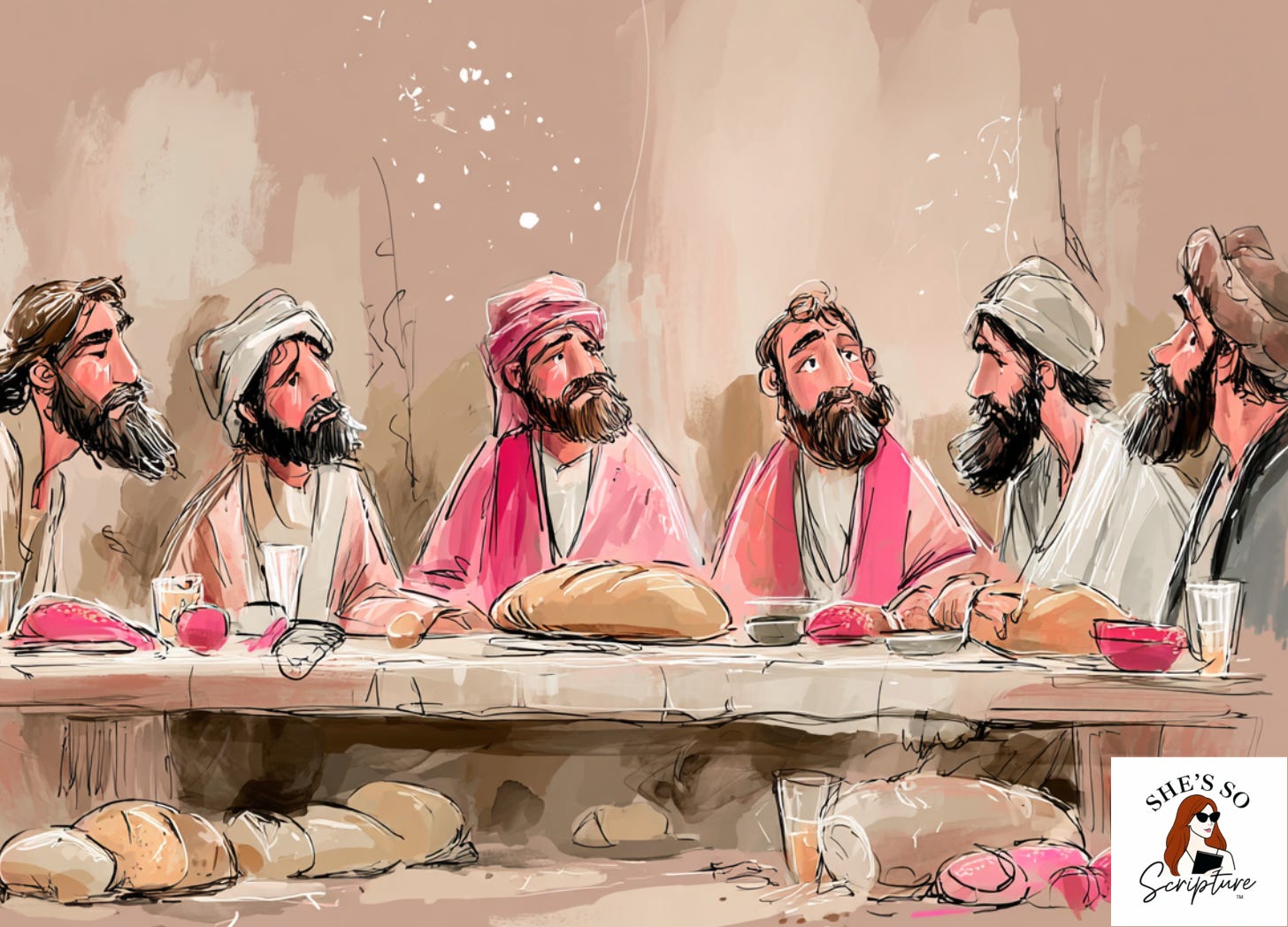
In 1 Corinthians 8 through 10, Paul is navigating a real, embodied problem. Meat in Corinth didn’t come from the grocery store. It came from temples. It had been part of ritual sacrifice. It carried social meaning, religious memory, and public implications.
And Paul refuses to give a simplistic answer.
He knows idols are nothing.
He also knows meals are never just meals.
That tension is the point.
“But that knowledge is not in everyone—some, so accustomed to idols up until now, eat food as an idol sacrifice; and their conscience, being weak, is defiled. 8 But food will not bring us before God. We are no worse off if we do not eat and no better off if we do eat. 9 But watch out that this freedom of yours does not somehow become a stumbling block to the weak.” 1 Corinthians 8:7-9
Knowledge Wasn’t the Problem. Disembodied Knowledge Was.
Paul starts by acknowledging what the Corinthians already know. Idols don’t have real power. There is one God. Eating meat doesn’t magically attach you to a false deity.
He agrees with their theology. But theology that never leaves your head becomes dangerous fast.
Paul notices something the Corinthians are overlooking. Their freedom is being practiced in public. Their eating is being watched and their confidence is quietly reshaping the conscience of others.
Knowledge, in Paul’s hands, is never neutral. It either builds or it erodes.
That’s why he keeps returning to the body. To the table. To the shared space where belief becomes behavior.
If you’re a Founder, this is where we slow down, dig in, and let the text do its full work.