


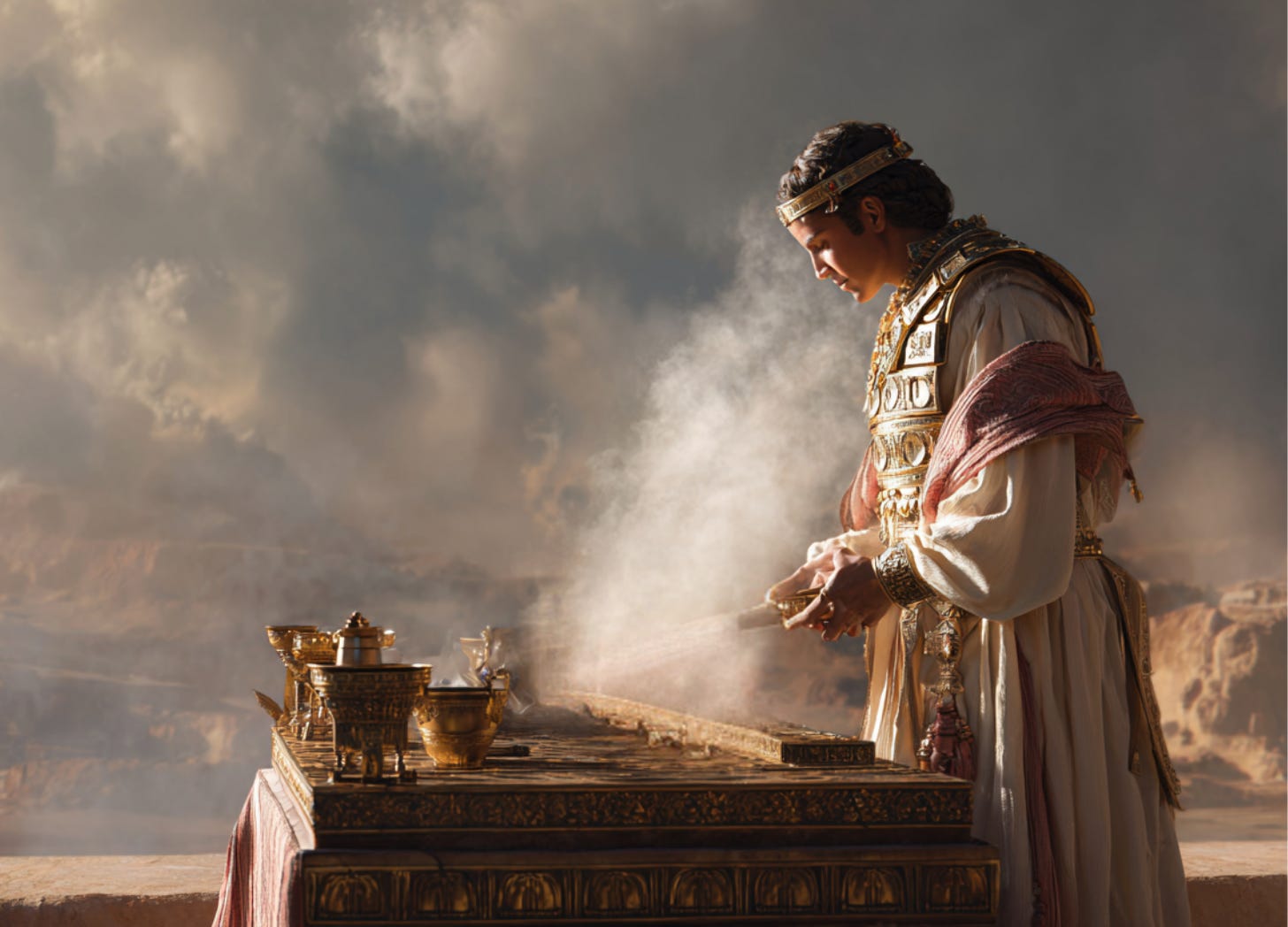
Welcome to Lesson 6 of our Bible study series, "Holy vs Profane: Understanding Ritual Purity and Moral Impurity in Scripture." In this lesson, we will explore the purpose of sacrifice and its significance within the biblical framework of purity.
Sacrifice is a recurring theme throughout the Old Testament and is essential for understanding how ancient Israel maintained a relationship with God through rituals of atonement, thanksgiving, and purification.
What You'll Learn in Lesson 6
Lesson 6 will focus on the multifaceted role of sacrifices in the purification process as outlined in the Bible. By exploring the types of sacrifices and their specific purposes, we can uncover deeper spiritual truths that these ancient practices symbolize. This lesson will also highlight the ultimate fulfillment of these sacrifices in the person and work of Jesus.
Key Scripture Readings
Our study will be anchored in key passages from Leviticus, especially chapters 1-7 and 16, which detail the various offerings and their regulations. We will also examine the New Testament interpretation of these sacrifices, particularly in the Book of Hebrews, which provides a theological reflection on Jesus as the ultimate sacrifice.
In addition, we will also look at how the prayers in Judaism today align with the times of the sacrifices in the Temple period.
The Importance of Sacrifices in Ancient Israel
Sacrifices in the Old Testament served several critical functions:
Atonement for Sin:
Some sacrifices (not all) were a means for the Israelites to atone for their sins and restore their relationship with God. Leviticus 17:11 underscores this purpose: "For the life of the flesh is in the blood, and I have given it for you on the altar to make atonement for your souls, for it is the blood that makes atonement by the life."
Expression of Devotion and Gratitude:
Offerings such as peace offerings and thanksgiving offerings were ways for the Israelites to express their devotion and gratitude to God. These sacrifices signified their acknowledgment of God's provision and blessings.
Restoration of Ritual Purity:
Certain sacrifices were specifically designated to restore ritual purity after an individual became impure. These included offerings for purification after childbirth, healing from skin diseases, and contact with corpses.
Types of Sacrifices
We will explore the different types of sacrifices mentioned in the Bible, each with its own specific purpose and procedure:
Burnt Offerings (Leviticus 1):
Symbolizing complete dedication to God, these offerings were entirely burned on the altar.
Grain Offerings (Leviticus 2):
Consisting of fine flour, oil, and frankincense, grain offerings symbolized the dedication of the fruits of labor to God.
Peace Offerings (Leviticus 3):
A portion was burned on the altar, and the rest was shared in a communal meal, symbolizing fellowship and gratitude.
Sin Offerings (Leviticus 4):
Made to atone for unintentional sins and restore the sinner to a state of purity.
Guilt Offerings (Leviticus 5:14-6:7):
Made for specific transgressions against God or others, requiring restitution along with the sacrifice.
The Day of Atonement
One of the most significant sacrificial rituals in the Old Testament is the Day of Atonement (Yom Kippur). This was the only day when the high priest could enter the Holy of Holies to make atonement for the sins of the entire nation. This day involved a series of sacrifices, including the offering of a bull and two goats. One goat, known as the scapegoat, was sent into the wilderness to symbolize the removal of the people's sins (Leviticus 16).
The Fulfillment in Jesus Christ
The sacrificial system of the Old Testament points forward to the ultimate sacrifice of Jesus Christ. In the New Testament, Jesus is described as the Lamb of God who takes away the sin of the world (John 1:29). His death on the cross fulfilled and surpassed all the Old Testament sacrifices, providing a once-for-all atonement for sin.
The Book of Hebrews explains this fulfillment in depth, highlighting Jesus as the perfect high priest who offered Himself as the ultimate sacrifice (Hebrews 9:11-14; 10:10).
Practical Implications for Us Today
Understanding the role of sacrifices in the Bible helps us appreciate the gravity of sin and the lengths to which God went to restore us to Himself. It also deepens our understanding of Jesus' sacrifice and its significance for our faith and salvation.
Key Points:
Reflect on Jesus’ Sacrifice: Take time to meditate on the significance of Jesus’ sacrifice and what it means for your relationship with God.
Live a Life of Gratitude: Let the knowledge of Jesus’ ultimate sacrifice inspire you to live a life of gratitude, devotion, and service to God.
The Purpose of Sacrifice in Purity Study Questions and Activities
To help you internalize these concepts, Lesson 6 will include study questions, reflection activities, and prayer prompts. These tools are designed to guide you in examining your own life for areas that need purification and to encourage you to seek God's help in maintaining spiritual cleanliness.
Join Us on This Journey
We invite you to join us as we continue our transformative journey through Scripture. Lesson 6 will provide you with a comprehensive understanding of the purpose of sacrifice in the purification process and its ultimate fulfillment in Jesus Christ. By engaging with this lesson, you will deepen your knowledge of God's redemptive plan and its relevance to us today.
Move on to Lesson 7: The Holiness Code and Everyday Life, and let's continue this enriching study together.

Previous Lessons:
Lesson 5 - Jesus and Moral Impurity
Lesson 4 - Jesus and Ritual Purity
Lesson 3 - Moral Impurity & Its Consequences
Lesson 2 - Understanding Ritual Purity