Life That Keeps Speaking
Our portion opens with the words Chayei Sarah — “the life of Sarah” — but immediately begins describing her death. It’s one of those moments in Scripture where the title itself tells us the deeper message. Her years are named, but her life is what echoes forward.
“Now Sarah’s life was 127 years—the years of Sarah’s life.” (Genesis 23:1 TLV)
Notice the phrasing: it emphasizes the fullness of her life, not the finality of her death. Sarah’s story doesn’t close because her influence continues through Abraham, Isaac, Rebekah, and ultimately through the entire covenant line.
This portion reminds us that a life of faith does not end when we do. When we walk with God, our obedience, our growth, our yes to Him leaves a spiritual inheritance long after we’re gone.
Abraham Buys a Field of Faith
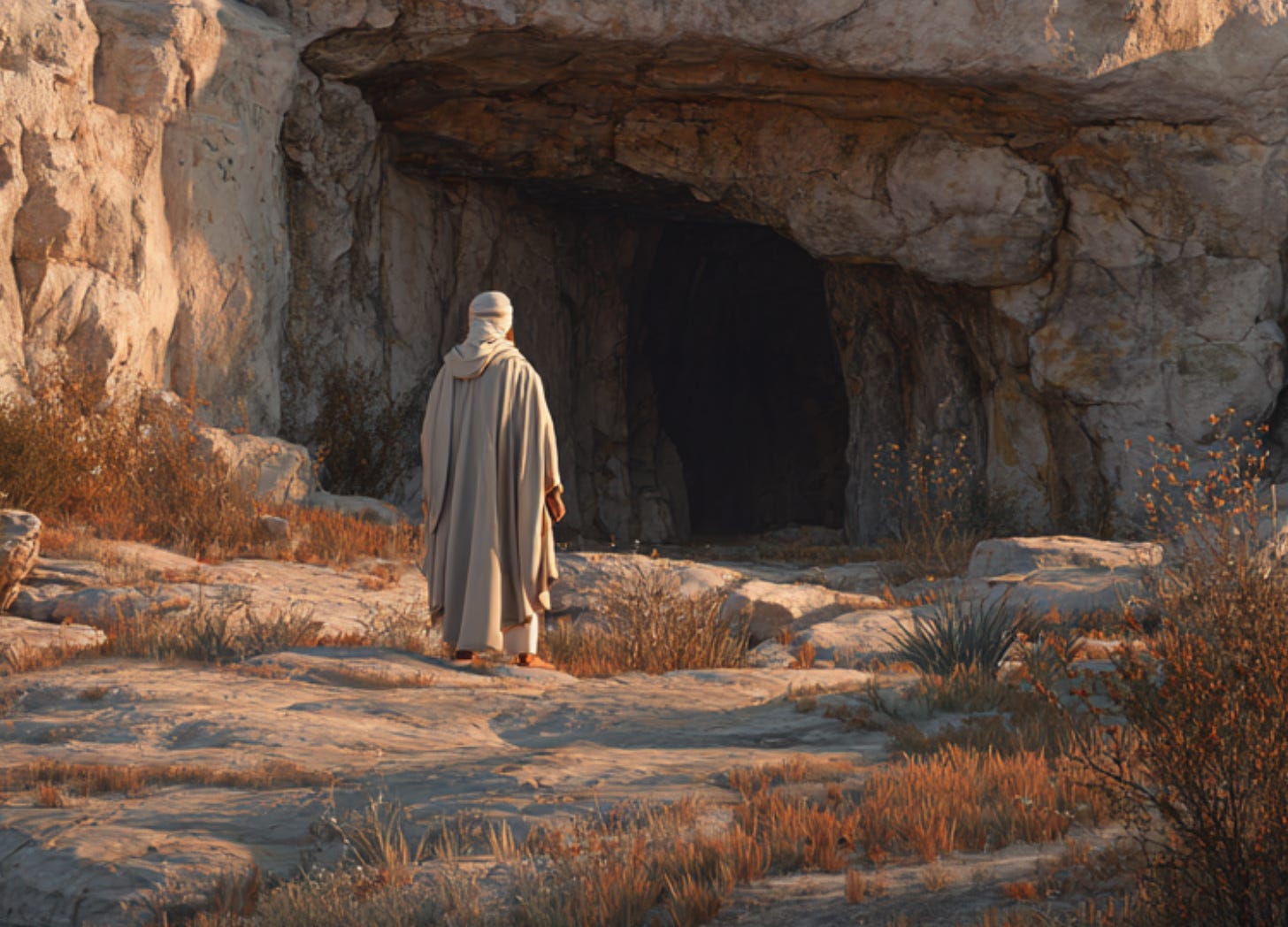
When Sarah dies, Abraham mourns, but he also takes a significant step of faith. He negotiates with the Hittites to purchase the cave of Machpelah as a burial site. He refuses to accept it as a gift. He insists on paying full price.
To many readers, that might feel like a small detail. But in the ancient world, this was monumental. Abraham wasn’t just purchasing burial land. He was planting a stake in the promise. He was saying, “This land, the land God promised, is where we belong.”
Before Israel ever conquered Canaan, Abraham quietly purchased its first piece in humility.
Even in grief, Abraham acted in faith. He wasn’t looking backward. He was still looking forward.
There’s a lesson in that for us. Sometimes when we walk through loss or transition, the most faithful thing we can do is keep stepping toward what God promised, even when it feels small or symbolic.
A Bride for Isaac: Faith Passed to the Next Generation
Genesis 24 is the longest continuous narrative in the book, and it’s not about miracles or battles but about finding a wife for Isaac. And this is intentional. Covenant moves forward not through events but through people.
Abraham’s servant (traditionally Eliezer) prays with remarkable clarity:
““Adonai, the God of Abraham my master,” he said, “please make something happen before me today, and show loyalty to Abraham my master.”” (Genesis 24:12 TLV)
He doesn’t rely on his own judgment. He doesn’t trust his own strategy. He depends entirely on God’s leading. And God answers through Rebekah, whose kindness, humility, and initiative shine through the text.
Her response to the invitation is simple and profound:
“I will go.” (Genesis 24:58)
Those words echo Abraham’s own “Go” from earlier in the story. This is how legacy works. Faith is not only inherited; it is carried forward by those willing to respond.
And then we see Isaac. Scripture says he was out in the field meditating when Rebekah arrived. This is a picture of a man grounded in communion with God, and it becomes the place where love enters his life.
Their story begins with prayer, not convenience. With trust, not strategy. With calling, not coincidence.
Abraham’s Final Years: Faith That Finishes Well
Genesis 25 shows Abraham living with intention and clarity even in old age. He marries Keturah, fathers more children, and provides for them while maintaining Isaac as the covenant heir.
When Abraham dies, Isaac and Ishmael come together to bury him. Think about that. After all the tension, distance, and painful history, these brothers meet in unity to honor their father.
It’s a quiet reminder that God is always working behind the scenes, and that reconciliation often blooms at the edges of our stories.
Abraham’s life closes with purpose. He left nothing chaotic or unfinished. His final act was unity among his sons and the passing of blessing to Isaac.
The Haftarah: A Crown Passed, A Legacy Protected
The Haftarah in 1 Kings 1 shows King David at the end of his life facing a moment of transition. One son, Adonijah, decides to seize the throne by force, while the true heir, Solomon, waits.
Nathan the prophet and Bathsheba step in to ensure that God’s promise is fulfilled. Their partnership, wisdom, and courage preserve the legacy David spent his life building.
This mirrors Abraham’s story. Both men are nearing death. Both have promises to protect. And both depend on others to carry the covenant forward.
This portion teaches us something important: legacy is never just about what we do, but what we prepare others to do after us.
The Besorah: A New Era Begins
In Matthew 3, we meet John the Baptist preaching repentance in the wilderness. He stands between covenants, calling Israel to prepare for Messiah.
He calls out complacency. He warns against relying on heritage alone.
“…and do not think that you can say to yourselves, ‘We have Abraham as our father’! For I tell you that from these stones God can raise up children for Abraham.” (Matthew 3:9 TLV)
In other words, lineage is not the same as obedience. True children of Abraham are recognized not by ancestry but by faith expressed in repentance and a transformed life.
John prepares the way for Yeshua much the same way Abraham prepared the way for Isaac: with clarity, holiness, and expectation.
Living Forward
Chayei Sarah is not a portion about death. It is a portion about how to live with the long view of faith.
It teaches us to live in such a way that our story continues beyond us. Abraham and Sarah show us what it looks like to hold God’s promises when they feel slow, to build for a future we may not fully see, and to pass the torch with intention.
Rebekah shows us the courage to say “yes” before the details are clear. Isaac shows us the beauty of meeting God in quiet places. Abraham’s servant shows us what it looks like to pray with expectancy and walk with humility.
This portion invites us to slow down and look at our own lives. What are we building? Who are we pouring into? What pieces of faith are we securing so the next generation can stand on them?
A life of faith isn’t measured only in what we accomplish, but in what we prepare. That’s the heart of Chayei Sarah.
Hebrew Letter of the Week: ה (Hey)
Sound: H as in “hallelujah”
Numerical Value: 5
Meaning: Breath, revelation, the presence of God
How to Write Hey
ה
Draw a horizontal line from right to left.
Add a long vertical line on the right.
Leave a small gap on the left, and add a shorter, separate vertical line.
Hey and Chet look identical except hey has an opening where chet has the vertical line meet the top. One way I always reminded myself of the difference is I would think “Hey, the door is open” because it resembles a door.
Hey is the letter added to Abram’s and Sarai’s names, marking the moment God’s breath entered their lives and transformed their destinies. It symbolizes openness, revelation, and divine presence.
This letter reminds us that the life of Sarah, the life of Abraham, and the legacy of Isaac were all shaped by the breath of God. And that same breath is what shapes our lives today.
Want to learn more Hebrew? Join our Basic Beginner’s Bibical Hebrew self-paced course! Vault members and Founders get a great discount! Sign up here!
Study and Reflection Questions
Torah – Genesis 23:1–25:18
Why does Scripture emphasize “the years of Sarah’s life”? What does this say about legacy?
Why is Abraham’s insistence on paying for Machpelah important spiritually and prophetically?
How does this purchase reflect trust in God rather than dependence on human favor?
How does Abraham balance grief with forward-moving faith?
What does the servant’s prayer show us about seeking God’s guidance in everyday decisions?
Rebekah’s generosity is immediate and instinctive. How does that help us understand her character?
What does her “I will go” reveal about calling and courage?
How does Isaac’s posture of meditation shape the story of their meeting?
What does the reunion of Isaac and Ishmael reveal about God’s heart for reconciliation?
What does the recording of Ishmael’s lineage teach about God’s faithfulness even to those outside the covenant line?
Haftarah – 1 Kings 1:1–31
What can David’s frailty teach us about leadership and legacy near the end of life?
How does Adonijah’s self-promotion contrast with the way God exalts leaders?
What roles do Nathan and Bathsheba play in protecting God’s promise?
How does this passage echo the need to prepare the next generation well?
Besorah – Matthew 3:1–12
How does John’s message connect back to the faith of Abraham?
What does it mean to “prepare the way” for the Lord in your own heart or home?
Why is heritage alone insufficient for righteousness?
How does John’s message challenge superficial religion?
What does it mean to bear fruit worthy of repentance?
Reflection Questions
What kind of spiritual legacy do you want your life to speak long after you’re gone?
Where is God inviting you to take a step of faith toward the future, even if it’s small?
How can you begin intentionally investing in the next generation—spiritually, relationally, or practically?
What does Rebekah’s courage challenge in you?
What “field of faith” do you need to secure or steward this week?
Action Challenges
Read Genesis 24 and note every reference to God’s leading. Reflect on what this teaches about guidance.
Write down one area where you want your faith to impact future generations.
Encourage someone younger in the faith this week.
Take a small step toward a long-term spiritual goal you’ve been postponing.
Reflect on how God’s breath has shaped your own journey and where He may be speaking now.
Download Your Portion & Questions