


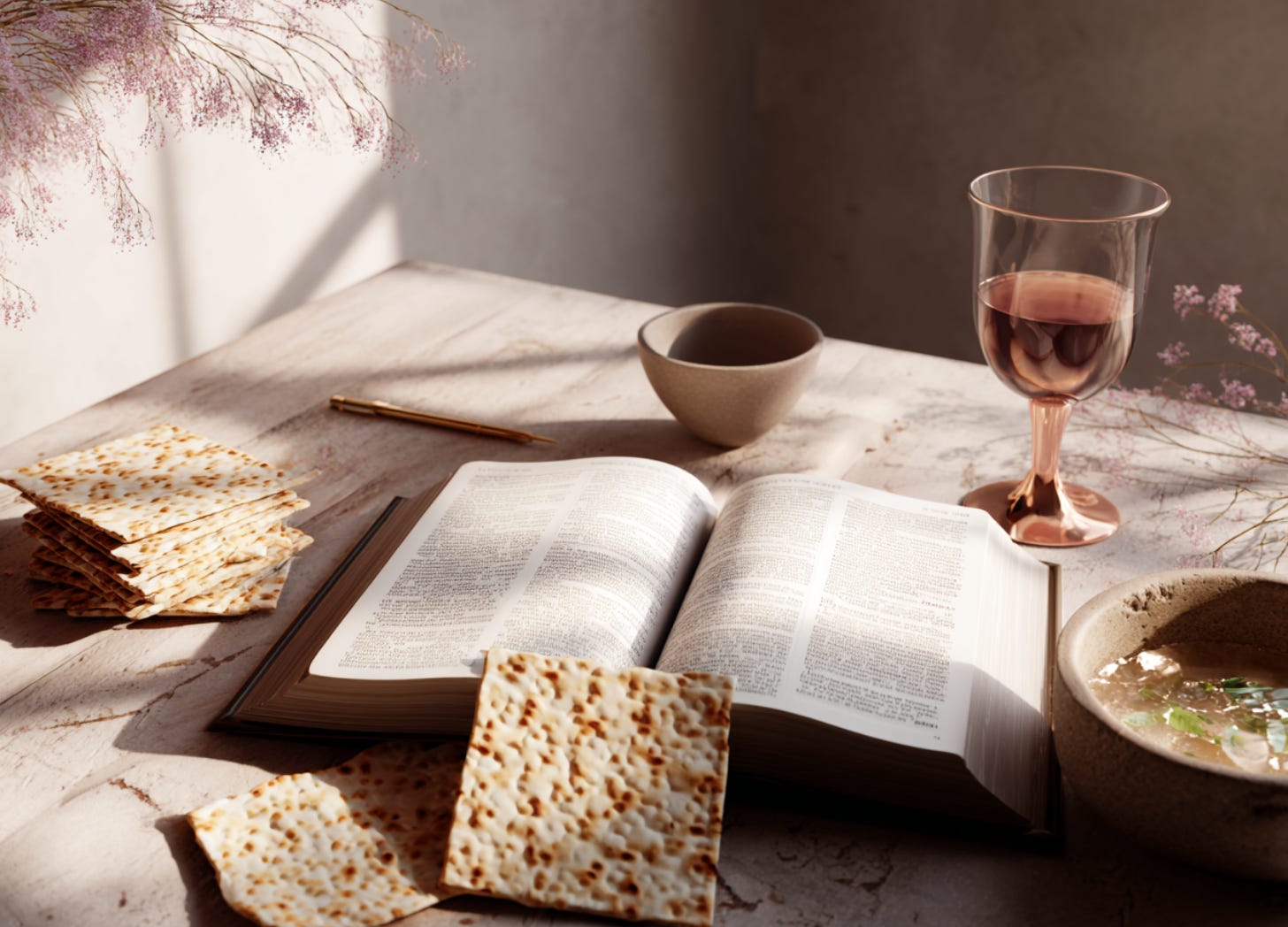
If you’ve ever wondered why the Bible makes such a big deal about unleavened bread—especially at Passover—you’re not alone. Is it just about baking technique, or is there a deeper story in that flat, humble bread?
Unleavened Bread: More Than a Recipe
When God commands Israel to eat matzah during Passover (Exodus 12:8, 15), it’s not just a culinary tip… it’s a powerful spiritual symbol that shows up from Genesis to the Gospels.
In the Exodus story, God tells the Israelites to get rid of every trace of leaven (yeast) from their homes and to eat only unleavened bread for seven days. Why? Because the night of deliverance was so urgent, there was no time for the dough to rise. Their freedom couldn’t wait for “business as usual”… they had to be ready to move when God said “Go.”
But in Jewish tradition, leaven is more than a baking agent. Leaven (chametz) represents pride, corruption, and the slow creep of sin or compromise. Unleavened bread, by contrast, is humble, honest, and pure; just flour and water, nothing extra, nothing hidden.
The Prophetic Power of Matzah
Jewish teachers saw unleavened bread as a symbol of spiritual readiness… removing pride and falsehood, living simply and sincerely before God. That’s why, every year at Passover, families search their homes by candlelight to find and remove even the smallest crumb of chametz (and one is always left so it can be found…it’s just part of the ritual). It’s not just spring cleaning; it’s a heart check.
The prophet Hosea (Hosea 7:4) even compares unrepentant hearts to bread left too long in the oven…“half-baked,” swollen with pride, not fit for offering.
Unleavened Bread in the New Testament
When Yeshua (Jesus) sits at the Passover table (the Last Supper), He chooses unleavened bread to represent His body (Luke 22:19). It’s a picture of His sinless life: no corruption, no pride, nothing hidden. Paul picks up on this imagery, urging believers to “keep the feast… with the unleavened bread of sincerity and truth” (1 Corinthians 5:7-8). For early Messianic Jews, this wasn’t just a symbol, it was a call to live transparent, surrendered lives.
Did You Know?
Matzah is pierced and striped by tradition, so it bakes quickly and doesn’t rise. Many see in this a hidden prophecy: “By His stripes we are healed” (Isaiah 53:5).
Every Passover Seder, the leader hides a piece of matzah (the afikomen), which is broken, wrapped up, and later brought back out… a symbol of redemption and resurrection.
Why It Still Matters
Unleavened bread reminds us that real freedom requires letting go… of pride, pretense, and what no longer serves us. God’s deliverance moves at His pace, not ours. Sometimes, the “rush” is actually grace: He’s pulling us out before we get stuck in old patterns.
For followers of Yeshua, unleavened bread is more than a tradition; it’s a picture of the Messiah’s humility and the kind of heart God wants to form in us.
Reflection Questions:
What “leaven” do you sense God inviting you to clear out in this season?
Where are you being called to live with more honesty and simplicity?
How does knowing the background of matzah change how you see communion or the Lord’s Supper?
My Final Thoughts
Unleavened bread might seem simple… a flat, humble staple on the Passover table. But its meaning is anything but plain. From Exodus to the New Testament, God uses this ordinary bread to remind us that deliverance often happens in a hurry, and real freedom means letting go of what weighs us down. Every crumb of leaven removed is a picture of pride, sin, and old patterns making room for something new and pure.
As you dig deep, don’t miss the invitation: God isn’t just calling you to remember the past, He’s inviting you into a new way of living right now. A life marked by honesty, humility, and readiness to move when He calls. The “unleavened” life isn’t about perfection; it’s about sincerity, truth, and the courage to trust God’s process, even when it feels unfamiliar or uncomfortable.
As you reflect, pray, and take bold action this week, remember: Jesus chose unleavened bread to represent His own life—sinless, surrendered, and given for you. When you feel “not enough” or wonder if you’re truly ready, remember the God who brings deliverance with urgency, and who calls you to the table just as you are.
May your journey through Scripture and self-examination this week be both a clearing out and a filling up… a fresh start for your spirit. Let this lesson remind you: the simplest things often hold the deepest treasure.
You’re not just learning about unleavened bread. You’re learning to live free.
Download this week’s free study guide and go deeper!

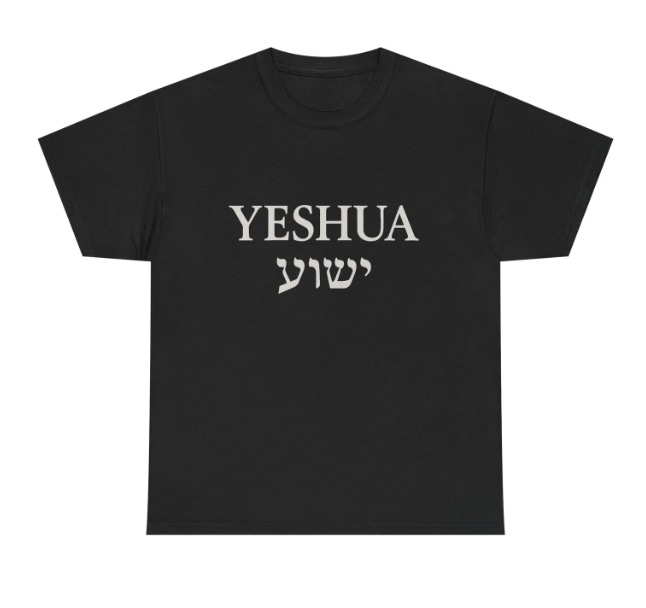
Want to wear what you believe? Our latest “Yeshua” tee is here!
Show off your faith in style with this beautifully designed, super comfy shirt—perfect for Bible study, coffee runs, or just repping the Name above every name wherever you go.
Grab yours now at our She Opens Her Bible Shop and get ready for conversations, compliments, and maybe even a few “where’d you get that?” moments.
womanofnoblecharactershop.com/products/unisex-spiritual-tee-yeshua-design-casual-shirt-faith-t-shirt-unisex-gift-religious-apparel
Let’s declare our faith—one tee at a time!
🔥 Want to go deeper?
Step beyond the surface and into the Word with our paid subscriber community. When you upgrade, you unlock The Vault — and if you're ready to go all in, Founders Level brings even more.
🔐 Inside The Vault:
💛 Weekly devotionals with depth and application
🌿 Monthly teachings on the Jewishness of Jesus
💬 Private community chats
🎁 30% off all digital products
👑 Founders Level includes everything in The Vault, plus:
🎧 Weekly audio teachings
📓 Printable studies and reflection tools
🖊️ Exclusive journal
💸 50% off all digital products + 10% off physical merch
👉🏽 Join now to unlock your access and walk deeper in truth, boldness, and biblical beauty.
Your reflection speaks with grace and depth. The Hosea image is striking (Hosea 7:4). It also stirred a thought...unleavened bread mirrors manna (Exodus 16:19–20): no excess, no delay, just daily trust in God’s timely provision.